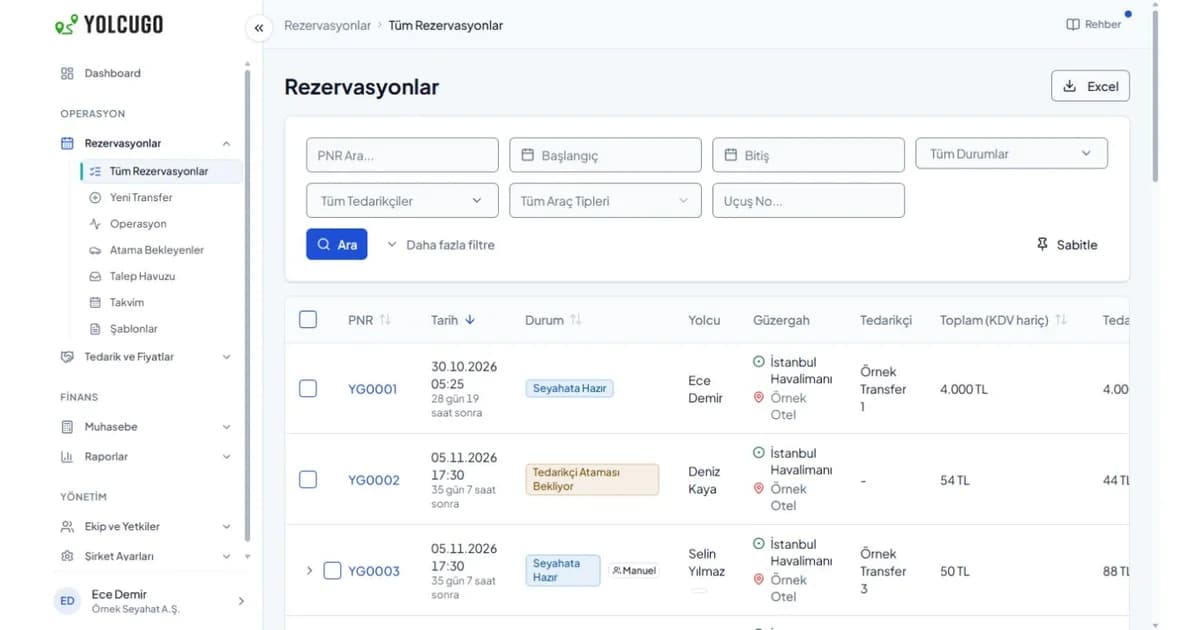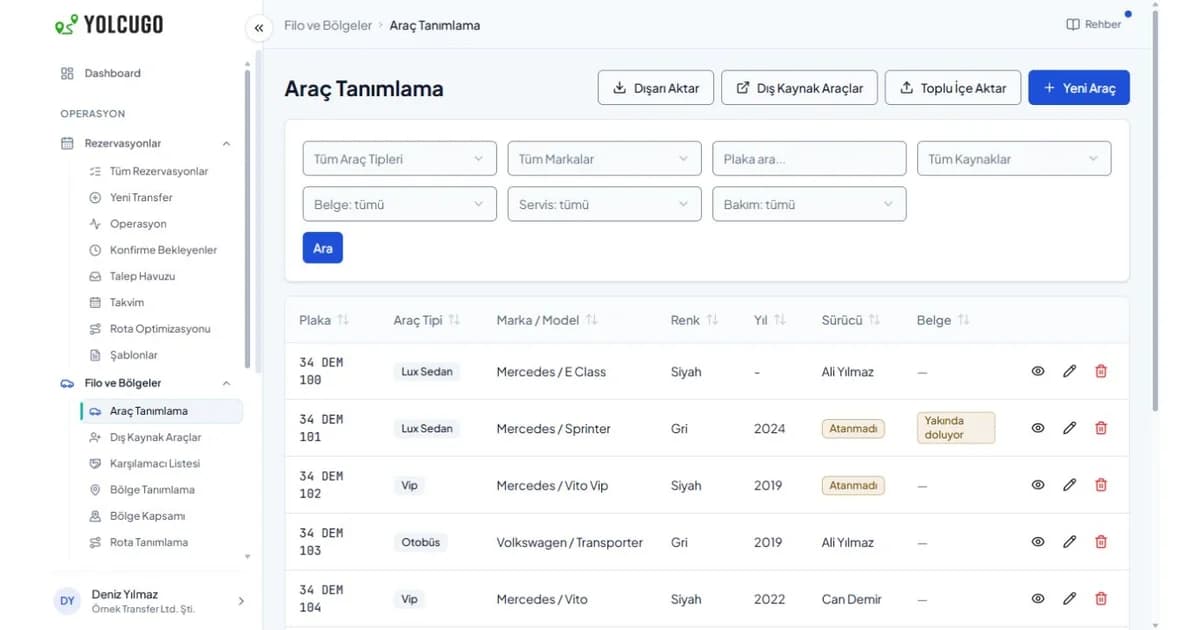
Fleet management software is a critical infrastructure decision that will shape your operations for years. Choosing based on a feature checklist alone is not enough — you need to evaluate how well each solution supports your 6–12 month growth plan. Here are the seven criteria that matter most.
1. GPS and Live Tracking
Real-time vehicle positioning is non-negotiable. Look for sub-minute update intervals, geofence alerts, and the ability to share live ETA links with passengers or dispatchers.
2. Driver Performance Monitoring
The software should track on-time arrival rates, customer ratings, idle time and route adherence per driver. This data feeds directly into training decisions and incentive programmes.
3. Vehicle Maintenance Planning
Automated maintenance scheduling based on mileage or calendar intervals prevents breakdowns and extends vehicle life. The best systems integrate with OBD-II diagnostics for real-time engine alerts.
4. Integration Capabilities
Your fleet software must connect with your booking system, accounting software and CRM. Evaluate the API documentation, available webhooks and whether pre-built integrations exist for your existing tools.
5. White-Label Option
If you serve B2B clients, a white-label tracking page and booking widget let your partners use the system under their own brand — strengthening their customer relationships without requiring separate infrastructure.
6. Pricing Flexibility
Avoid rigid per-vehicle pricing that penalises seasonal scaling. Look for models that accommodate fleet size changes, offer tiered pricing, or charge based on active vehicles rather than registered ones.
7. Local Support and Compliance
Regulatory requirements for commercial transport vary by country. Your provider should understand local licensing, insurance and data-protection rules, and offer support in your team's working language during your business hours.
Conclusion
The best fleet management software is the one that fits where your company will be in 6–12 months, not just where it is today. Evaluate each criterion against your growth roadmap, run a pilot with real data, and prioritise integration depth over surface-level feature counts.