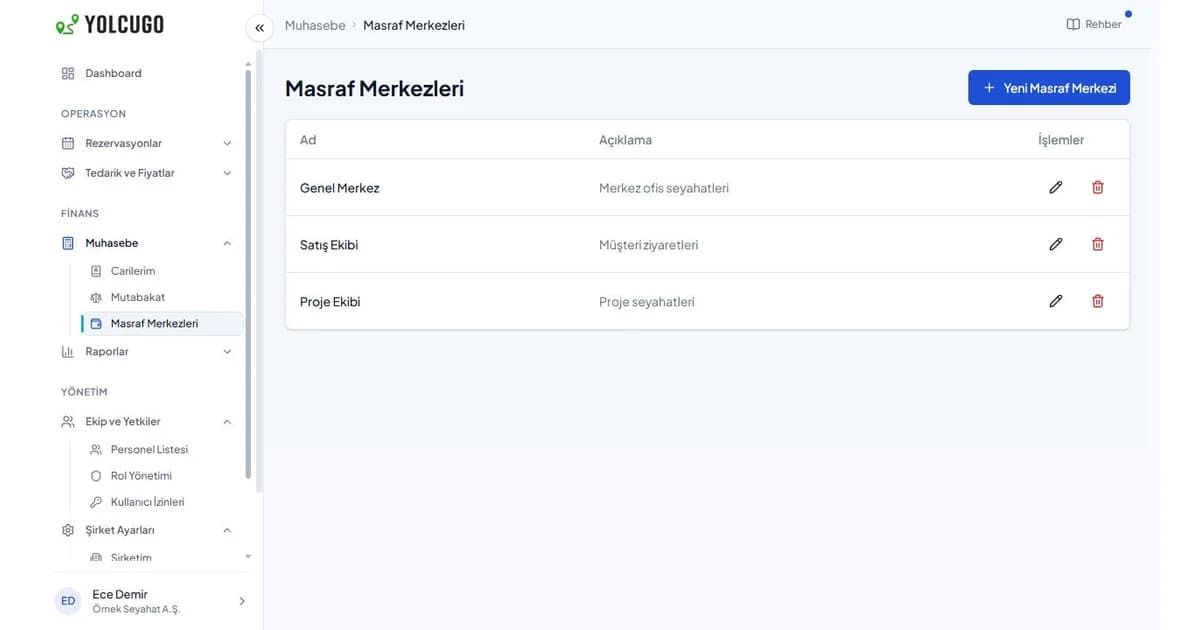
The way companies manage their transfer operations has changed fundamentally over the past few years. Manual processes coordinated by phone and email have been replaced by digital platforms that let you control the entire operation from a single dashboard.
So what does this transformation deliver in concrete terms? Let's take a closer look.
Tangible Impact of Digital Transformation
Planning a transfer the traditional way takes an average of 15–20 minutes, whereas a digital platform brings that down to 2–3 minutes. Consider the multiplier: a company that processes 200 transfers a month can save hundreds of hours on this step alone.
Cost Control and Transparency
Advantages gained with digital platforms
- Budget tracking by cost centre
- Instant price comparison — the most suitable vehicle is suggested automatically
- Automated invoicing and accounting integration
- Detailed spending reports by department and individual
Reporting and Analytics
Monthly transfer counts, average costs, most-used routes and department-level spending breakdowns are available at the click of a button. This data becomes a powerful tool for budget planning and supplier negotiations.
Impact on Employee Satisfaction
A professional and well-organised transfer service directly boosts employee morale. On-time pickups, clean vehicles and safe journeys — these may seem like small details, but they create a measurable difference in employee retention.
How to Build a Transfer Policy
An effective corporate transfer policy should include:
- Which vehicle class is assigned to which job level
- Monthly transfer limits and approval workflows
- Cost-centre assignment rules
- Cancellation and modification conditions
- Performance evaluation criteria
Integration with Existing Systems
Modern transfer platforms are designed to work seamlessly with corporate infrastructure:
- HR Systems: Employee data synchronises automatically
- ERP: Invoice and payment processes run as an integrated flow
- Calendar: Transfers can be scheduled automatically from meeting calendars
- API: Flexible integration for custom requirements
Where to Start?
Corporate transfer transformation in 5 steps
- Analyse your current transfer processes and costs
- Choose a platform that fits your needs
- Document your transfer policies in writing
- Start with a pilot department and gather feedback
- Measure results, optimise, and roll out company-wide